Marie Curie: radioactivity and two different Nobel fields
Marie Curie researched radioactivity and received Nobel Prizes in Physics in 1903 and Chemistry in 1911.
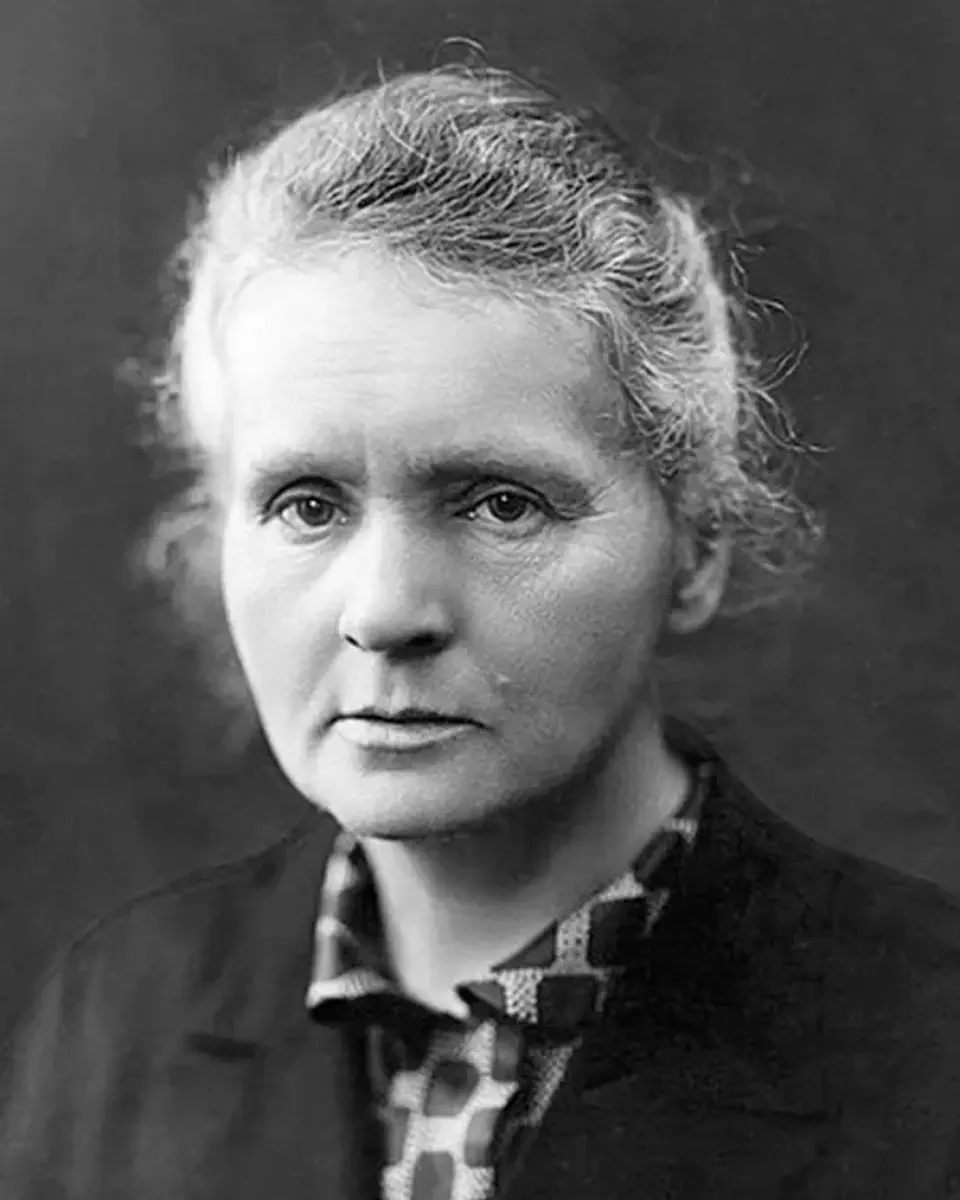
Marie Curie researched radioactivity and received Nobel Prizes in Physics in 1903 and Chemistry in 1911.
Two awards, two milestones
Marie Skłodowska Curie was born in Warsaw on 7 November 1867. She went to France to pursue scientific education and enrolled at the University of Paris in 1891. Her work with Pierre Curie identified polonium and radium in 1898.
The 1903 Physics recognition concerned research on radioactivity; the 1911 Chemistry award recognised work on polonium and radium, including isolating radium. These are separate award years and categories, rather than two prizes for one identical citation.
Research beyond a discovery headline
NIST places Curie within the history of radium measurement standards. That connection adds a useful dimension to a profile often reduced to a list of discoveries: laboratories also need ways to compare measurements reliably.
Her career continued after Pierre Curie died in 1906. During the First World War she helped provide X-ray services. She died on 4 July 1934. This is a historical profile, not a report of a new discovery on the publication date.
How to revise this profile
For a short study note, use three columns: person, contribution and recognition. Write radioactivity under contribution, then keep Physics—1903 and Chemistry—1911 on separate lines. That prevents the common mistake of treating the prize year as the discovery year.
Read scientific biographies as accounts of research processes as well as achievement. A discovery, its measurement and its practical use can belong to different stages. Keeping those stages separate makes a more accurate explanation than a one-line claim that one person invented an entire field.
Publication disclosure
This article was researched and published with AI assistance. No human prepublication review is claimed. Report factual errors through our contact page.
Image: National Park Service / Public domain · Source · Public domain. Archival image; resized and compressed for delivery in a fitted frame.
Frequently asked questions
Were both Curie prizes in Physics?
No. The 1903 award was in Physics and the 1911 award was in Chemistry.
Is 12 October 2026 a date from Curie’s life?
No. It is the publication date of this historical explainer.