A reader’s guide to everyday science
Use a familiar observation to understand a scientific mechanism.
Start with something you can observe
A blue sky is a good starting question because almost everyone has seen one. Describe the observation before searching for its explanation. Then distinguish what you saw from what you infer about why it happened.
Find the mechanism
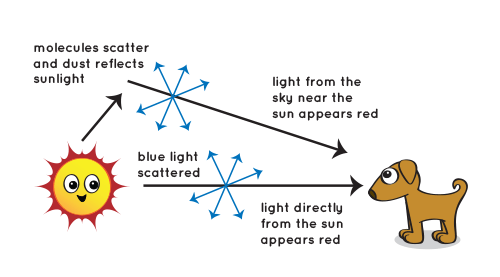
Look for the process connecting cause and effect. In the sky example, the important process is scattering of light in the atmosphere. Naming a process is useful, but explaining it in a sentence is a better check of understanding.
Ask what changes in a different situation
Use a related observation to test the explanation. Why does a sunset look different? A good explanation should connect the ordinary situation with a variation. Follow the linked NASA article for diagrams and more context.
Keep a source beside the claim
For a science fact, prefer an original study, a public research institution or an educational resource with identifiable authorship. Distinguish established explanations from preliminary findings. A short article should help you reach the fuller source, not hide it.